How to Tell Good Quality Matcha: 7 Checks Before You Buy
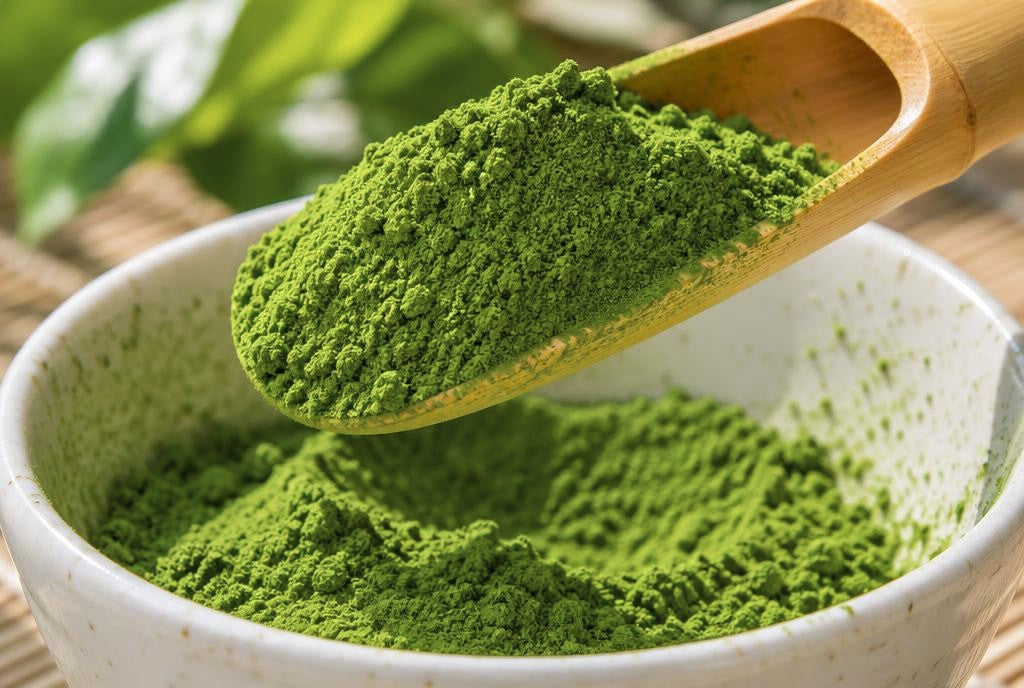
You can tell good quality matcha by seven checks: a vivid green colour, a silky fine texture, a fresh sweet-grassy aroma, umami that outweighs bitterness, a named region, a stated harvest and process, and packaging that protects freshness. Add an eighth that sits behind them all: independent testing. If you want to know how to tell good quality matcha before you spend on a tin, these are the questions to ask of the label, the powder and the cup.
None of them needs special equipment. A sheet of white paper, a bowl, some water at about 80°C and a little attention will do.

Shop this guide
RIN 凛 · Uji, Kyoto
Our top pick: first-harvest, stone-milled matcha from Uji with a vivid jade colour, rounded umami and very little bitterness, so it passes every check below in a plain bowl.
Free shipping on Singapore orders with code FREESHIP.
Why quality is hard to judge from the label alone
Words like "ceremonial" and "premium" sound reassuring. They are not proof. The Kyoto tea house Ikkyu notes that "ceremonial grade" isn't an official or regulated classification in Japan. Producers there judge matcha by colour, aroma, texture and balance of flavour. So should you. Our guide to ceremonial vs culinary matcha explains what those grade words usually mean in practice.
The good news is that quality leaves traces you can see, smell and taste. Here is how to read them.
Check 1: Colour
Good matcha is a bright, vivid green. Think spring leaves, not army khaki. That colour comes from shading the tea plants for around three to four weeks before the harvest, which pushes the leaves to build up chlorophyll.
Try the paper test. Put a pinch of powder on white paper and draw it out with your finger. A high-grade matcha leaves a long, even, jewel-green streak. Lower grades look olive, dull or yellowish. A brownish tinge often means older leaves, later harvests or powder that has been exposed to air and light for too long.
Check 2: Texture and fineness
Rub a little powder between your fingertips. It should feel silky and almost oily, like a fine cosmetic powder. Grit or a sandy feel points to coarser grinding or tougher leaf.
Fineness matters in the cup. Very fine particles stay suspended when you whisk, giving a smooth body and a fine foam. Coarse powder settles fast and leaves a gritty last sip. Some soft clumping in the tin is normal, because fine powder holds static. Hard, dense lumps that do not break under a sieve suggest moisture has got in.
Check 3: Aroma
Open the tin and breathe in. Fresh, good matcha smells sweet and green, a little like fresh-cut grass, steamed greens or even a hint of seaweed. The aroma should be clear and lively.
Warning signs are a flat, hay-like or dusty smell, or nothing much at all. A stale or musty note usually means the powder is old or has been stored badly. Your nose is often the fastest freshness test you have.
Check 4: Taste, umami versus bitterness
This is the check that matters most, and it only works with matcha whisked plainly in water. Milk and sugar hide flaws, which is exactly why some lower grades are sold for lattes.
Make a simple bowl: 2 g of matcha (two level 1 g spoons) and 70 ml of water at about 80°C, whisked in a W motion for 15–20 seconds. Our step-by-step guide to whisking usucha thin tea walks through it.
Good matcha tastes rounded and savoury first. That depth is umami, linked to the amino acid L-theanine, which shading helps preserve in the leaf. A natural sweetness follows, then perhaps a gentle bitterness in the background. The finish should be clean and pleasant.
Lower grades lead with sharp, harsh bitterness or a puckering dryness, and the taste lingers in the wrong way. A little bitterness is normal. Bitterness that dominates is not. If water that is too hot is ruled out and the bowl still tastes harsh, the matcha is the likely cause.
Check 5: Origin and region named
Reputable matcha names where it comes from. "Product of Japan" is a start. A region is better: Uji in Kyoto, Yame in Fukuoka, Nishio in Aichi, Kagoshima, Shizuoka. Each has its own soils, climate and style.
Vague wording such as "premium green tea powder" with no place named is a reason to look closer. Origin also helps you avoid lookalike products. Business Times has reported a rise in counterfeit matcha sold online that copies Japanese packaging, so buy from a seller you trust and who can tell you exactly where the tea was grown.
Check 6: Harvest and processing on the label
The best drinking matcha usually comes from the first harvest of spring, called ichibancha. Young, tender leaves picked in late April and May carry more sweetness and umami than later flushes, which tend to be tougher and more astringent.
Look for these details on the label or the product page:
- Harvest: first harvest, or first flush, rather than an unnamed blend of seasons.
- Shading: shade-grown leaves, the raw material for tencha.
- Milling: stone-ground. Traditional granite mills turn slowly, producing roughly 30 g of matcha an hour, which keeps heat low and protects flavour.
- Ingredients: matcha, and nothing else. Sugar, milk powder or "green tea powder" in the list means a blend, not pure matcha.
Slow, careful steps like these are a big part of why good matcha costs what it does. Our guide on why matcha is so expensive looks at the costs and the recent price rises.
Check 7: Packaging and freshness
Matcha is delicate. Light, air, heat and moisture all dull its colour and flavour. Good packaging is opaque and airtight: a sealed tin or a foil pouch, never a clear bag or jar.
Check for a best-before date and, ideally, a sealed inner lid or pouch. Smaller sizes, such as 30 g, are easier to finish while the powder is at its best. At home, follow the simple rule: keep cool and dry. Enjoy within a month of opening.
The extra check: testing
With matcha you drink the whole leaf, ground into powder, rather than an infusion. That makes what is in the leaf more important. Independent testing for things like pesticide residues and heavy metals gives you evidence beyond what you can taste.
Ask whether a brand tests every batch and who does the testing. At Matcha x World, every batch is independently verified by SGS. You can see how we approach it on our page about lab-tested matcha quality.
Good matcha vs warning signs at a glance
| Check | Good quality | Warning sign |
|---|---|---|
| Colour | Vivid, jewel green; even streak on paper | Olive, dull, yellow or brownish |
| Texture | Silky, very fine, no grit | Sandy, coarse, hard clumps |
| Aroma | Sweet, fresh, grassy | Flat, hay-like, musty or none |
| Taste | Umami first, natural sweetness, gentle finish | Harsh bitterness, drying, needs sugar |
| Origin | Region named, such as Uji or Yame | "Premium green tea powder", no place |
| Harvest and process | First harvest, shade-grown, stone-ground | No harvest stated, mixed ingredients |
| Packaging | Opaque, airtight tin or foil, dated | Clear bag or jar, no date |
| Testing | Independent, batch by batch | No testing information |
| From Matcha x World | RIN, our first-harvest ceremonial matcha from Uji, for everyday plain bowls; KIWAMI from Yame for koicha. Add RIN to cart | |
Choosing matcha powder for how you drink it
Quality and purpose go together. If you drink matcha plain, every check above matters, and taste matters most. If you mainly make lattes, a sturdier, slightly bolder matcha can stand up to milk, though colour, origin, freshness and testing still count.
For plain bowls on a slow morning, RIN, our ceremonial matcha from Uji, is the one we recommend first. For the thick koicha style or a special occasion, KIWAMI is a rarer first-harvest tin from Yame. Whichever you choose, our page on how to prepare matcha covers hot, iced and latte methods.
Signs of bad matcha
To sum up the red flags in one place:
- A yellow, brown or dull olive colour.
- A gritty feel, or hard lumps that will not sieve.
- Little aroma, or a stale, dusty smell.
- Harsh bitterness that dominates a plain bowl.
- No region, no harvest, no ingredients list.
- Clear or flimsy packaging, or no best-before date.
- No word on testing.
One red flag is a prompt to look closer. Several together usually tell you the answer.
Frequently asked questions
Is bright green matcha always good quality?
Bright green is a strong sign, but not the whole story. Combine colour with aroma and a plain taste test. A vivid powder that tastes harsh is still not a good drinking matcha.
Should good matcha taste bitter?
A gentle bitterness in the background is normal. Good matcha leads with umami and natural sweetness. If bitterness dominates, check your water is around 80°C, not boiling, before blaming the tea.
Does "ceremonial grade" mean high quality?
Not on its own. It is a marketing term rather than an official grade in Japan. Look for a named region, first harvest, stone milling and testing instead.
How long does matcha stay fresh?
Keep cool and dry. Enjoy within a month of opening. An unopened, sealed tin keeps longer, so check the best-before date.
Which Matcha x World matcha should I buy to taste the difference?
Start with RIN from Uji, Kyoto. It is our top pick: first harvest and stone-milled, with a vivid jade colour, rounded umami and a clean finish, so it shows every quality marker clearly in a plain bowl. For koicha, KIWAMI from Yame is the step up.
Taste it for yourself
The best way to learn quality is to compare. Whisk 2 g in 70 ml of water at about 80°C, drink it plain, and run through the seven checks. Your eyes, nose and palate will soon do the work for you.

For koicha and special bowls
KIWAMI 極 · Yame, Fukuoka
A rarer first-harvest tin from Yame, Fukuoka, for koicha or a plain bowl on a special occasion.
Calm Energy. One World.