Matcha and iron absorption: when to drink it
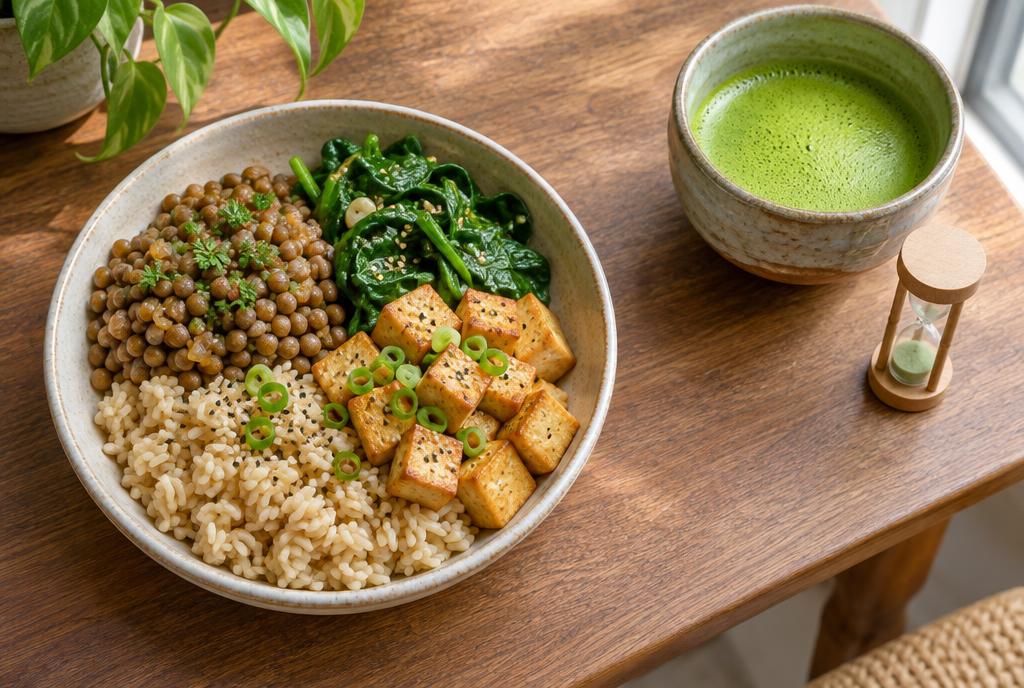
Matcha can reduce iron absorption if you drink it with a meal: like other teas, its polyphenols bind non-haem iron, the kind found in plant foods, and less of it is absorbed. The simple fix is timing. A controlled trial found that drinking tea one hour after a meal, rather than with it, roughly halved tea's effect on iron absorption.
So you do not need to give up matcha if iron is on your mind. You may only need to move it. Below is how matcha and iron absorption interact, who should pay attention, and a practical schedule for a Singapore day.

Shop this guide
LOW CAFFEINE 静 · Izumo, Shimane
If moving matcha away from meals pushes your cup into the afternoon, this gentle first-harvest matcha keeps that later cup light on caffeine.
Free shipping on Singapore orders with code FREESHIP.
Why tea affects iron absorption
Tea leaves are rich in polyphenols, and in green tea and matcha the main ones are catechins such as EGCG. In the gut, these compounds can bind iron from food and hold it in a form the body takes up less easily.
The effect is well documented for tea in general. In a 1999 study in the British Journal of Nutrition, adults ate a bread meal with different drinks. Black tea cut iron absorption from the meal by 79 to 94% compared with water, and herbal teas, cocoa and coffee also reduced it. The more polyphenols a drink held, the stronger the effect. Adding milk to tea made little or no difference.
Green tea specifically was tested in 2001. Young women ate the same meal with and without a green tea extract added. Average absorption of non-haem iron fell from about 12.1% to 8.9%.
No published trial has measured matcha and iron directly. But matcha is the whole leaf, ground and whisked, so it is reasonable to assume it behaves like other polyphenol-rich teas at mealtimes.
Haem and non-haem iron: which one matcha affects
Iron in food comes in two forms, and the difference matters here.
- Haem iron is found in meat, poultry and seafood. The body absorbs it more readily, and the tea studies above measured the other form.
- Non-haem iron is the only form in plant foods and iron-fortified foods: tofu, lentils, beans, leafy greens, fortified cereals and breads. Meat and seafood contain some too.
The US National Institutes of Health fact sheet on iron notes that haem iron has higher bioavailability, that vitamin C and meat improve absorption of non-haem iron, and that phytates and certain polyphenols reduce it. So the meals to watch are plant-heavy ones: a vegetarian thali, yong tau foo in clear soup, a bowl of oats, or a breakfast of fortified cereal.
The one-hour rule, and the study behind it
The clearest evidence on timing comes from a 2017 trial in healthy UK women, published in the American Journal of Clinical Nutrition. Twelve women ate an iron-labelled porridge meal on three occasions, two weeks apart:
- with water: average iron absorption 5.7%
- with tea at the same time: 3.6%
- with tea one hour after the meal: 5.7%
The researchers reported that the one-hour gap cut tea's inhibitory effect by about half, from 37% to 18% relative to water. It is a small study in women with normal iron levels, so read the exact numbers as a guide. The direction is clear, though: distance between meal and tea helps.
Many nutritionists suggest leaving one to two hours either side of an iron-rich meal. That is a sensible, easy habit, and it fits naturally into a day with matcha in it.
A matcha and iron schedule for a Singapore day
Here is how the timing works around ordinary meals. Shift the hours to suit your own day.
| When | What to do | Why |
|---|---|---|
| On waking, before breakfast | Many people enjoy a bowl here; some prefer a bite of food first | Leave about an hour before an iron-rich breakfast |
| With breakfast or lunch | Choose water instead, or a vitamin C fruit | Tea at the table reduces non-haem iron from the meal |
| Mid-morning, 1–2 hours after breakfast | A good slot for a bowl of matcha | Gap reduces tea's effect on that meal |
| Mid-afternoon, 1–2 hours after lunch | A gentle cup, ideally lower in caffeine | Away from meals and further from bedtime |
| With iron tablets | Ask your doctor or pharmacist how far apart to take them | Advice depends on the supplement and your needs |
| From Matcha x World | For the afternoon slot: LOW CAFFEINE from Izumo, 7 mg caffeine a cup* · Add LOW CAFFEINE to cart | |
If you already drink matcha first thing, our morning matcha routine shows how to fit a bowl around breakfast without rushing either.
Who should pay most attention
For many people eating a varied diet, the timing of a daily bowl is a small detail. It matters more for groups the NIH lists as being at higher risk of not getting enough iron:
- teenage girls and premenopausal women
- pregnant women
- infants and young children
- frequent blood donors
- people with certain gastrointestinal conditions
Vegetarians and vegans rely entirely on non-haem iron, so timing is worth a thought for them too. If you have been told your iron is low, or you are pregnant, speak to your doctor about your diet as a whole. They can advise on tea, coffee and supplements together, which an article cannot.
Ways to help your meals give more iron
- Add vitamin C. Citrus, guava, papaya, capsicum or a squeeze of calamansi with a plant-based meal helps non-haem iron absorption.
- Pair plants with a little meat or fish if you eat them; they improve non-haem iron uptake too.
- Do not rely on milk. In the 1999 study, milk did not cancel tea's effect, so a latte at the table is no different. Save your matcha latte for between meals as well.
- Remember coffee counts. Coffee and cocoa also reduce iron absorption, so the same timing applies to them.
Keep the good parts of matcha
Iron timing is a reason to plan, not a reason to stop. The things people value in matcha, from its taste to the gentle lift of caffeine with L-theanine in matcha, are unchanged when you drink it at 10am instead of with breakfast. For an honest summary of what else research has and has not shown, read our guide to matcha benefits and the science.
The ritual stays the same: 2 g (two level 1 g spoons) with 70 ml of water at about 80°C, whisked in a W motion for 15–20 seconds. Keep cool and dry. Enjoy within a month of opening.
Frequently asked questions
How long after eating should I drink matcha?
The best evidence is for a one-hour gap, which roughly halved tea's effect in a 2017 trial. Many people simply leave one to two hours either side of an iron-rich meal.
Does matcha cause low iron?
The studies measured absorption from single test meals, not long-term iron levels. What they show is that tea with a meal lowers how much iron you take in from it. If you are concerned about your iron, ask your doctor for advice.
Is matcha worse for iron than black tea?
No study has compared them directly. Both are polyphenol-rich, and matcha is the whole leaf, so the safest assumption is to time them the same way.
Does LOW CAFFEINE matcha affect iron less?
We have no evidence for that, so we do not claim it. Caffeine is not the main factor here; polyphenols are. Time LOW CAFFEINE away from meals just as you would any matcha.
Which Matcha x World matcha suits an afternoon cup between meals?
LOW CAFFEINE, our first-harvest matcha from Izumo, has 7 mg caffeine a cup* against 64 mg in regular matcha. It is smooth and naturally sweet, so it works for a mid-afternoon bowl that sits well away from lunch and dinner.
A calm way to plan your cup
Move the bowl, keep the habit. A mid-morning matcha after breakfast and a gentle cup in the afternoon leave your meals to do their work. If your morning bowl is the one you look forward to most, choose a leaf worth the wait.

For the mid-morning bowl
RIN 凛 · Uji, Kyoto
A ceremonial matcha from Uji for slow mornings, made for the quiet bowl an hour or two after breakfast.
Calm Energy. One World.
*Per 2 g serving, lab tested. Regular matcha: Standard Tables of Food Composition in Japan.